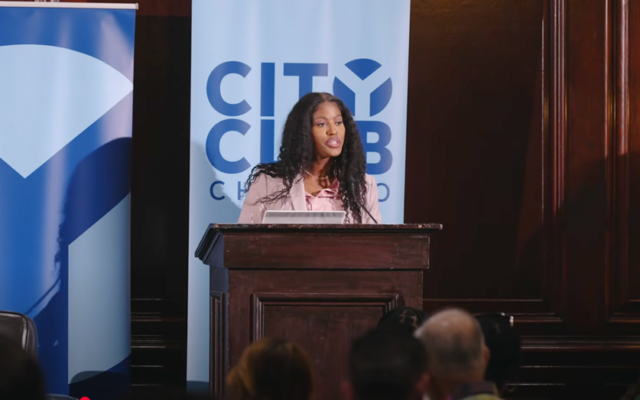
Sara Haines Backs Haley Stevens’ Rogers Endorsement on The View
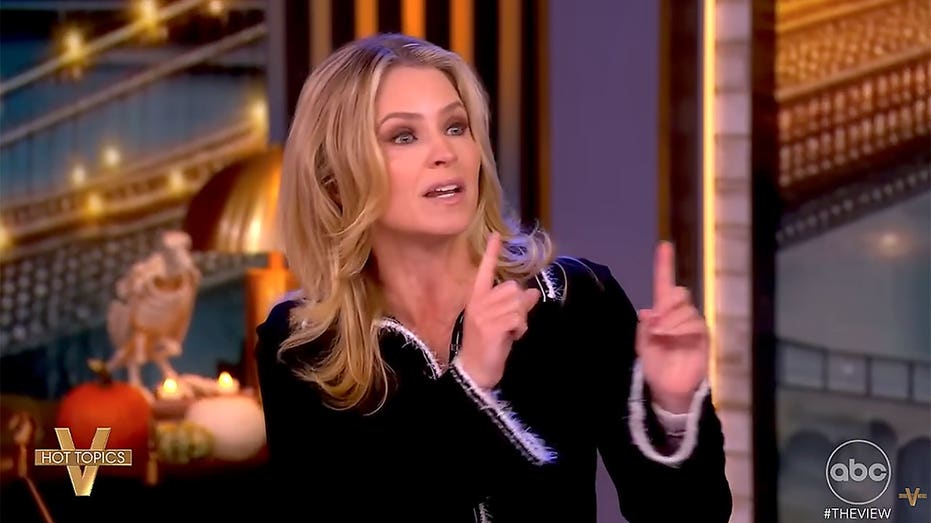
The View co-host Sara Haines called Rep. Haley Stevens' endorsement of Republican Mike Rogers 'brave,' while her co-hosts and a Democratic strategist pushed back.
Rep. Haley Stevens, a Michigan Democrat, endorsed Republican Senate candidate Mike Rogers over her own party’s nominee, Abdul El-Sayed — and on Monday, “The View” co-host Sara Haines defended that decision as “brave,” according to Fox News. The split on the daytime talk show reflects a wider Democratic argument over whether crossing party lines can ever be a matter of conscience, or whether it is simply a betrayal.
What happened
Stevens said in an interview on Sunday that El-Sayed’s “anger” and “lack of kindness” led her to back Rogers, a Republican, in the Michigan Senate race. On Monday’s episode, Haines — a registered independent — said she disagreed with critics who called the endorsement a betrayal.
Haines pointed to El-Sayed’s past campaigning with Hasan Piker, a left-wing streamer, saying she would want distance from him, and compared the situation to Republicans appearing with Nick Fuentes. She argued that if breaking with one’s party can be an act of conscience for Liz Cheney, the same standard should apply to Stevens. “Integrity is not just backing your party when you support your party,” Haines said. “The real test is backing them when it costs you something.”
Not everyone on the panel agreed. Co-hosts Sunny Hostin and Ana Navarro argued Stevens endorsed Rogers for the wrong reasons, with Hostin saying “Shame on her” if the move was driven by a bruised ego. Navarro said she believed El-Sayed’s reluctance to have Stevens campaign with him motivated the decision. Co-host Alyssa Farah Griffin said Stevens had raised “real issues” about antisemitism and compared the endorsement to Cheney’s backing of Kamala Harris.
Democratic strategist Kaivan Shroff told Fox News Digital that Haines’ defense was “hard to square with the facts,” saying El-Sayed had already distanced himself from Piker — stating Piker did not speak for his campaign, stopping joint campaigning and reportedly calling him directly — well before Stevens’ endorsement. Shroff called Haines’ reasoning a “glaring double standard” and said the Cheney comparison does not hold because Cheney cited Trump’s conduct and democracy concerns, while Stevens is backing Rogers in a race where, Shroff said, anti-Muslim hate has been central to Rogers’ campaign.
Why it matters
The exchange shows how a single state-level endorsement can become a proxy fight over the Democratic Party’s internal standards. Haines’ argument — that loyalty to a party must be earned — is likely to resonate with independents and swing voters who say they want politicians to break ranks on principle. The pushback from Hostin, Navarro and Shroff suggests many Democrats see the move differently: as a personal grievance dressed up as conscience, especially given the timing close to the election.
The dispute also highlights a live tension over how each party handles controversial figures in its own coalition. Haines acknowledged Islamophobia “muddying the waters” while still treating El-Sayed’s associations as disqualifying; Shroff argued that amounts to applying a stricter test to one side.
Key facts at a glance
| Item | Detail |
|---|---|
| Endorsement | Rep. Haley Stevens (D-Mich.) backs Republican Mike Rogers over Democrat Abdul El-Sayed in the Michigan Senate race |
| Stevens’ stated reason | El-Sayed’s “anger” and “lack of kindness” |
| Haines’ position | Called the endorsement “brave”; cited El-Sayed’s campaigning with Hasan Piker and compared it to Republicans with Nick Fuentes |
| On-air critics | Sunny Hostin and Ana Navarro questioned Stevens’ motives; Alyssa Farah Griffin defended her right to break ranks |
| Outside critic | Democratic strategist Kaivan Shroff said El-Sayed had already distanced himself from Piker before the endorsement |
| Campaign response | Fox News Digital said it sought comment from the El-Sayed and Rogers campaigns and did not immediately receive a response |
What this means for you
- If you are a Michigan voter, the endorsement itself does not change your ballot, but it may shape how the Senate race is framed in the final stretch.
- Watch how El-Sayed and Rogers respond publicly; neither campaign had commented as of the report.
- Expect the “Cheney standard” argument to recur: it is now being used by both supporters and critics of cross-party endorsements.
- Treat talk-show reactions as opinion, not as evidence of what either candidate will do in office.
Frequently asked questions
Who is Haley Stevens?
Haley Stevens is a Democratic U.S. representative from Michigan. In this race she endorsed Republican Mike Rogers over Democrat Abdul El-Sayed for the U.S. Senate.
Why did Stevens endorse Rogers?
She said in a Sunday interview that El-Sayed’s “anger” and “lack of kindness” drove her decision.
What did Sara Haines say about it?
Haines, a registered independent, called the endorsement “brave” and argued that party loyalty must be earned, citing El-Sayed’s past campaigning with Hasan Piker.
Did El-Sayed respond?
The report says Fox News Digital sought comment from both campaigns and did not immediately receive a response. No response from El-Sayed was included.
What to watch next
Whether El-Sayed or Rogers publicly address the endorsement, and whether other Democrats follow Stevens or criticize her. The report did not say when the Michigan Senate election takes place.
- Rep. Haley Stevens (D-Mich.) endorsed Republican Mike Rogers over Democrat Abdul El-Sayed, citing El-Sayed's 'anger' and 'lack of kindness.'
- Sara Haines defended the move as 'brave,' while co-hosts Sunny Hostin and Ana Navarro questioned Stevens' motives.
- Democratic strategist Kaivan Shroff said El-Sayed had already distanced himself from Hasan Piker before the endorsement.