Judge: DOJ Poll Monitors Can’t Be Armed Agents
A federal judge refused to block the Justice Department's Election Day poll-monitoring program but required that monitors be civilian staff, unarmed and without arrest powers.
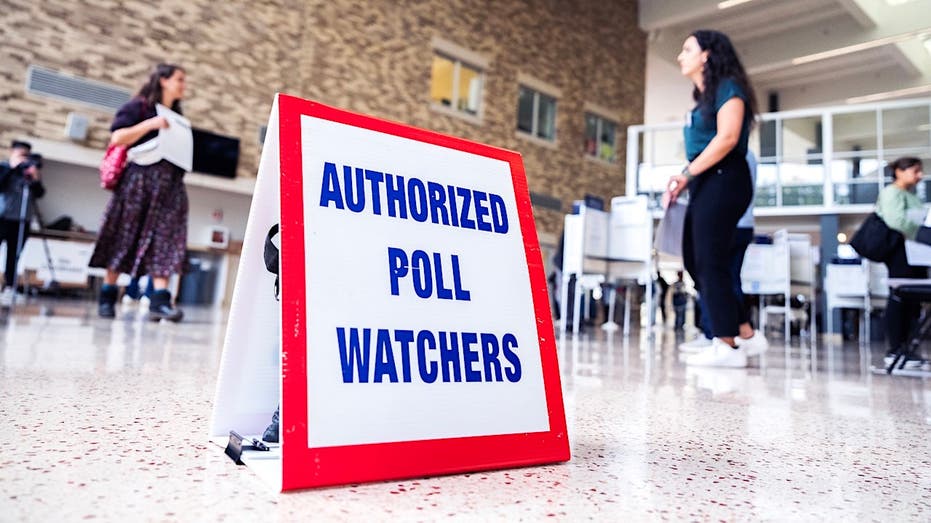
A federal judge has allowed the Justice Department to send poll monitors to voting sites on Nov. 3, but only if those monitors are ordinary administrative or clerical staff rather than sworn law enforcement officers. The ruling rejects the NAACP’s bid to stop the program outright while imposing conditions aimed at preventing voter intimidation.
What happened
U.S. District Judge Reggie Walton, sitting in Washington, D.C., issued the order Monday night. He turned down the NAACP’s request for a temporary restraining order against the monitoring program, concluding the record at that stage did not show the group was likely to win its claim.
The NAACP had argued that deploying personnel from agencies such as the Bureau of Alcohol, Tobacco, Firearms and Explosives, the Drug Enforcement Administration and the Bureau of Prisons could frighten voters and breach the Voting Rights Act. The suit followed reports that the department intended to send more than 1,000 people, among them investigators and law enforcement agents, to polling places. Department lawyers told the court that sworn officers and agents would not take part.
Walton wrote that he was not convinced a monitor who merely projects a commanding presence or scans a crowd, with no visible sign of law enforcement authority, would make a typical voter reasonably fear harassment or interference with the right to vote. He credited the department’s statements at a hearing that participants would be civilian employees who carry no firearms.
The order requires monitors to stay out of uniform, display no federal insignia, carry no weapons and hold no arrest authority. They must not obstruct voters or election workers, must abide by state and local rules, and should not address voters inside polling sites. Conversations with voters outside are permitted only after a person has voted. Monitors must identify themselves to election officials and keep federal credentials on hand for verification. The department was told to file a status report by 7 a.m. ET Tuesday detailing how it confirmed that no monitor has arrest powers.
Why it matters
The decision lets the monitoring program proceed while narrowing what monitors may do, which likely reduces the chance of confrontations at polling places. Because the motion was denied without prejudice, the NAACP can return to court if the department departs from the conditions. Walton was nominated by former President George W. Bush.
Key facts at a glance
| Item | Detail |
|---|---|
| Judge | Reggie Walton, U.S. District Court, Washington, D.C. |
| Ruling | Request for restraining order denied without prejudice; conditions imposed |
| Election Day | Nov. 3 |
| Monitors must be | Administrative or clerical staff, not sworn officers |
| Restrictions | No uniforms, insignia, firearms or arrest powers |
| Status report due | 7 a.m. ET Tuesday |
| Reported scale | More than 1,000 personnel planned |
What this means for you
- If you encounter someone identifying as a federal monitor at a polling place, they should be in civilian clothes, without insignia, and unable to arrest you.
- Monitors are barred from approaching voters inside polling sites; they may speak with you outside only after you have voted.
- You can ask to see federal credentials, and you can raise concerns with local election officials.
Frequently asked questions
Can federal poll monitors arrest voters?
No. Under the order, monitors must be administrative or clerical personnel with no arrest authority.
Will monitors be armed or in uniform?
No. The order bars firearms, uniforms and any insignia showing federal affiliation.
Can the NAACP challenge the program again?
Yes. The denial was without prejudice, so the group can renew its arguments.
What to watch next
The department’s Tuesday status report should show how it verified that no monitor holds law enforcement powers. It is not yet confirmed how many monitors will actually be deployed or where.
- Judge Reggie Walton denied the NAACP's restraining order but imposed conditions on DOJ monitors.
- Monitors must be civilian staff, unarmed, out of uniform and without arrest powers.
- DOJ must file a status report by 7 a.m. ET Tuesday on how it verified this.