Ex-Chicago FBI Chief Sues DOJ, Says He Was Ousted Over Anti-ICE Case
Douglas DePodesta, former head of the FBI's Chicago field office, claims he was forced out after prosecutors blamed him for the failed 'Broadview Six' case. A judge has now ordered the U.S. attorney and three assistants to testify under oath.
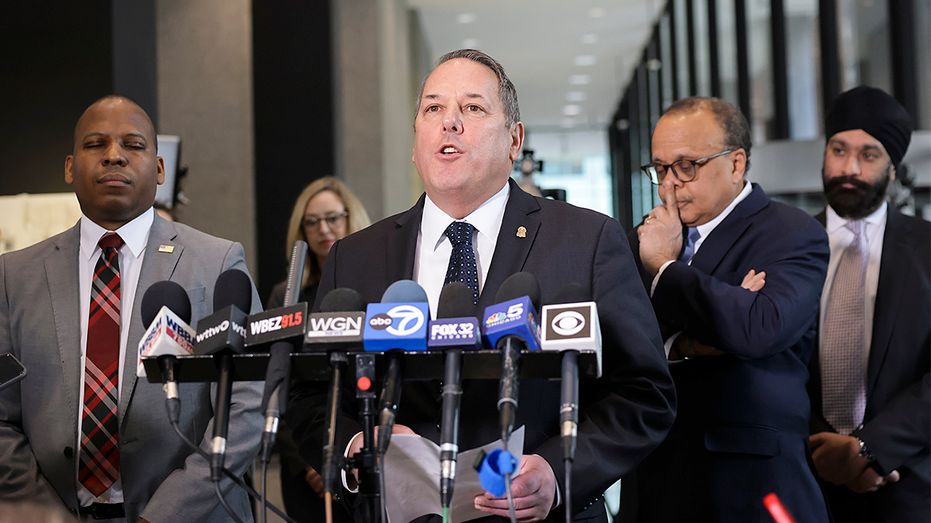
Douglas DePodesta, the former chief of the FBI’s Chicago field office, filed a lawsuit Monday claiming he was forced out of his job after being wrongly blamed for the collapse of a high-profile prosecution of anti-ICE protesters. Hours later, a federal judge ordered the U.S. attorney for Northern Illinois and three of his assistants to testify under oath about the failed case, signaling the dispute is far from over.
What happened
DePodesta sued top Justice Department officials, alleging that federal prosecutors brought politically motivated charges against Chicago demonstrators before gathering evidence. According to the lawsuit, his superiors told him FBI Director Kash Patel pushed for his removal, and he resigned over the summer. “I saw the writing on the wall,” DePodesta told The Associated Press.
The suit targets Andrew Boutros, the U.S. attorney for the Northern District of Illinois, accusing him of leading a campaign inside DOJ to pin the failure on DePodesta. At issue is the so-called “Broadview Six” case: six people charged last October with conspiring to obstruct a federal officer, a felony, over a protest at an ICE facility in the Chicago suburb of Broadview. Grand jury transcripts later showed grand jurors twice declined to indict the six, and Boutros dropped all charges in May as the court moved to investigate possible prosecutorial misconduct.
U.S. District Judge April Perry ordered Boutros and three assistant attorneys to testify on Nov. 16, writing that there is “more than an adequate factual basis” to inquire whether willful false statements were made to the court.
Why it matters
The lawsuit opens a window into how federal immigration enforcement cases were handled in Chicago during Operation Midway Blitz, the administration’s immigration enforcement operation there. Prosecutors charged roughly 30 protesters, but many of those charges have since been dropped or dismissed. DePodesta’s complaint alleges Boutros pressured assistant U.S. attorneys to file felony charges before reviewing evidence, and that he demanded FBI investigations into people based on their political views. Boutros has previously denied that politics influenced charging decisions.
The judge’s order for sworn testimony suggests the court sees potential problems with how the case was presented. A separate prosecutor on the Broadview Six case resigned in September, writing that Boutros had “scapegoated and publicly vilified” her. The former defendants have asked for a special counsel to investigate.
Key facts at a glance
| Fact | Detail |
|---|---|
| Plaintiff | Douglas DePodesta, former chief of FBI Chicago field office |
| Defendants | Top Justice Department officials, including U.S. Attorney Andrew Boutros |
| Core claim | DePodesta was forced out after being blamed for failed “Broadview Six” prosecution |
| Case background | Six charged with felony over ICE facility protest in Broadview, Ill.; charges dropped in May |
| Grand jury | Twice declined to indict the six, per transcripts |
| Court order | Judge April Perry ordered Boutros and three assistants to testify Nov. 16 |
| Scale | About 30 protesters charged during Operation Midway Blitz; many charges dropped or dismissed |
What this means for you
- If you were charged or investigated in connection with Chicago immigration protests, this lawsuit and the court’s inquiry could affect how your case proceeds. Consult a lawyer about your specific situation.
- The judge’s order for sworn testimony may lead to further scrutiny of prosecutors’ conduct, but it does not by itself overturn any charges or establish wrongdoing.
- Watch for the Nov. 16 testimony and any ruling on the request for a special counsel; those developments will indicate whether the court finds misconduct.
Frequently asked questions
Who is Douglas DePodesta?
He was the chief of the FBI’s Chicago field office. He says he was forced to resign over the summer after being blamed for the failed Broadview Six prosecution.
What was the Broadview Six case?
Six people were charged with conspiring to obstruct a federal officer, a felony, over a protest at an ICE facility in Broadview, Illinois, last October. Grand jurors twice declined to indict, and the charges were dropped in May.
What did the judge order?
U.S. District Judge April Perry ordered U.S. Attorney Andrew Boutros and three assistant attorneys to testify under oath on Nov. 16 about the failed case, citing an adequate factual basis to inquire whether false statements were made to the court.
Has Boutros responded?
Boutros has previously denied that politics played a role in charging decisions. The Justice Department did not immediately comment, according to the source report.
What to watch next
The Nov. 16 testimony from Boutros and his assistants, and the court’s ruling on the former defendants’ request for a special counsel, will be key. Also watch whether DOJ responds formally to the lawsuit and whether any further resignations or disclosures follow.
- Douglas DePodesta, former head of the FBI's Chicago field office, sued DOJ officials claiming he was forced out over the failed Broadview Six prosecution.
- A federal judge ordered U.S. Attorney Andrew Boutros and three assistants to testify under oath on Nov. 16 about the case.
- Grand jurors twice declined to indict the six defendants, and charges were dropped in May; about 30 protesters were charged during Operation Midway Blitz, with many cases dropped or dismissed.