Record $11.6B Election Cycle: 5 Words That Explain the Midterms
Political ad spending has topped $11.6 billion this cycle. A researcher argues five words—affordability, socialism, corruption, Trump, turnout—explain the election better than any ad.
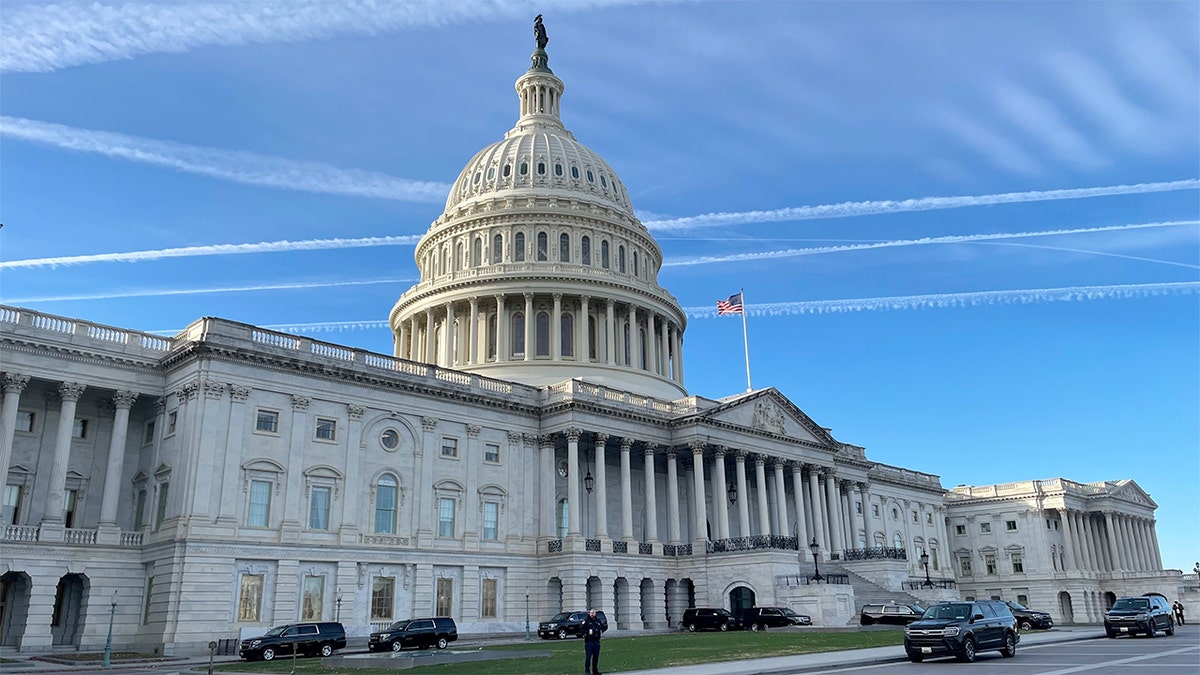
Political advertising spending and reservations for this election cycle have passed $11.6 billion, the most expensive in U.S. history, according to Fox News contributor Lee Carter. In a Fox News opinion piece, Carter argues that five words—affordability, socialism, corruption, Trump and turnout—explain the election better than any commercial. The core insight: voters may be more motivated by what they oppose than by what they support.
What happened
Carter, described as a researcher who has spent much of the year studying American voters, lays out five themes she says define the cycle:
- Affordability: Voters experience the economy through daily costs, not statistics. Democrats have the easier argument on costs, Carter writes, but convincing voters Republicans haven’t helped is not the same as convincing them Democrats will.
- Socialism: In polling Carter examined, the share of Republicans energized to vote against socialism rose from 50% to 59% in one month—a possible turnout driver even for voters unhappy with their own party.
- Corruption: Nearly one-third of congressional television ads this cycle have referenced government ethics or campaign finance, according to research from the Brennan Center and Wesleyan Media Project cited in the piece. Carter also notes an Alaska controversy in which reports said Democratic-aligned operatives helped recruit a second candidate named Dan Sullivan; Democrat Mary Peltola has denied knowing about the effort.
- Trump: Democrats have spent more than $163 million on ads mentioning Trump since September 1, versus roughly $11 million by Republicans, per Carter. She argues Trump’s weak national approval ratings and intense base loyalty are not contradictory but the defining feature of his appeal.
- Turnout: Gallup recently found 56% of Americans have given considerable thought to this election, a record at this point in a midterm cycle, Carter writes—but attention and participation are not the same.
Why it matters
The piece suggests both parties may misread the result. If Democrats win big, they may call it a rejection of Trumpism; if Republicans outperform, they may call it an endorsement of the president’s agenda. Carter argues both could mistake a victory for an endorsement, because voters can fire one party without embracing the other.
Her turnout argument is the most consequential: a Democratic enthusiasm wave in safely blue districts won’t change control of Congress, while a smaller Republican surge in a handful of competitive races could. A modest shift in whether independents stay home could also rewrite the headlines, she writes.
Key facts at a glance
| Item | Figure |
|---|---|
| Political ad spending and reservations | More than $11.6 billion |
| Republicans energized to vote against socialism | Up from 50% to 59% in one month (Carter’s polling) |
| Congressional TV ads citing ethics or campaign finance | Nearly one-third (Brennan Center / Wesleyan Media Project) |
| Democratic ads mentioning Trump since Sept. 1 | More than $163 million |
| Republican ads mentioning Trump since Sept. 1 | Roughly $11 million |
| Americans who have given considerable thought to the election | 56% (Gallup) |
What this means for you
- Expect more attack ads, not fewer. With record spending, the volume of political messaging is unlikely to drop before Election Day.
- Watch turnout, not just polls. Carter’s argument implies that who shows up may matter more than national polling averages.
- Treat victory claims with caution. A win does not automatically mean voters endorsed a party’s agenda, the piece argues.
Frequently asked questions
How much has been spent on political ads this cycle?
More than $11.6 billion in spending and reservations, according to Carter—the most expensive cycle for political advertising in American history.
What are the five words Carter says explain the election?
Affordability, socialism, corruption, Trump and turnout.
Why does the socialism message matter for turnout?
Carter says the share of Republicans energized to vote against socialism rose from 50% to 59% in a month, which could motivate voters even if they are disappointed in their own party.
What to watch next
Carter writes that Tuesday will show which voters actually turn out. The result will test her argument that both parties may mistake a victory for an endorsement.
- Political ad spending and reservations have exceeded $11.6 billion, the most expensive cycle in U.S. history.
- Lee Carter argues five words—affordability, socialism, corruption, Trump, turnout—explain the election better than any commercial.
- Republicans energized to vote against socialism rose from 50% to 59% in a month, per Carter's polling.