Florida Dengue Outbreak Hits 485 Cases, Highest in Decades
Florida has confirmed 485 locally acquired dengue cases this year, its largest outbreak in decades, with most infections in the Tampa Bay area. Here is what it means and how to protect yourself.
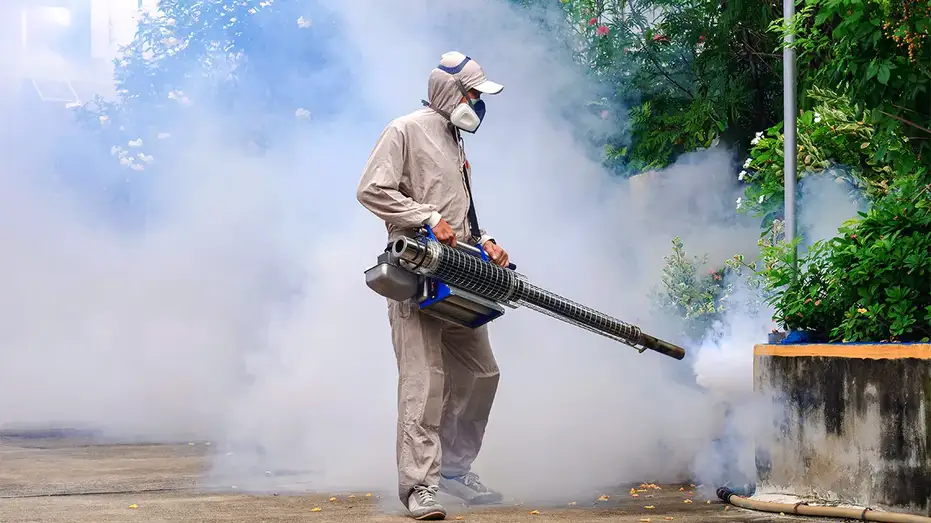
Florida has recorded 485 locally acquired dengue fever cases this year, the state’s biggest outbreak in decades, according to the Florida Department of Health. About 95% of those infections are in the Tampa Bay area, and the surge has triggered emergency declarations in three counties.
What happened
State surveillance counted 60 new local infections between Oct. 18 and Oct. 24. The Tampa Bay region accounts for roughly 95% of all locally acquired cases statewide.
In late September, Hillsborough, Pasco and Pinellas counties declared local emergencies. The declarations let officials buy and spray mosquito control materials faster and seek reimbursement from state and federal agencies. Hillsborough County has since extended its emergency order because transmission is still ongoing.
These local infections are separate from more than 300 travel-associated dengue cases reported in Florida this year — people infected elsewhere who brought the virus back.
The Florida Mosquito Control Association said abatement teams are increasing targeted ground spraying, aerial applications and property inspections.
Why it matters
Dengue is caused by a virus spread mainly by two mosquito species, Aedes aegypti and Aedes albopictus, according to the Centers for Disease Control and Prevention. Unlike many mosquitoes that bite at dawn and dusk, these feed aggressively during the day and breed in humid residential areas. They are “container breeders,” needing as little as a tablespoon of standing water to lay eggs.
That makes the outbreak a household problem as much as a public health one: yards, gutters, planters and discarded tires can all serve as breeding sites. It also suggests the outbreak is unlikely to fade without sustained mosquito control and resident participation, though officials have not said how long they expect transmission to continue.
Most infected people have mild or no symptoms and recover within about two weeks, according to Mayo Clinic. Symptoms usually appear four to 10 days after an infectious bite. Severe dengue can worsen quickly within 24 to 48 hours after the initial fever drops.
Key facts at a glance
| Item | Detail |
|---|---|
| Locally acquired cases in Florida | 485 this year |
| New local cases, Oct. 18–24 | 60 |
| Share in Tampa Bay area | About 95% |
| Travel-associated cases | More than 300 |
| Emergency declarations | Hillsborough, Pasco and Pinellas counties, late September |
| Main mosquito species | Aedes aegypti and Aedes albopictus |
| Typical symptom onset | 4 to 10 days after an infectious bite |
What this means for you
- If you live in or visit the Tampa Bay area: treat daytime mosquito bites as a real risk, not just an evening nuisance.
- Drain standing water weekly: check birdbaths, gutters, planters, outdoor containers and discarded tires. Even a tablespoon of water can support breeding.
- Use EPA-registered repellents with DEET, picaridin or oil of lemon eucalyptus, following label directions. If you also use sunscreen, apply sunscreen first and repellent second.
- Cover up outdoors: loose-fitting, light-colored long sleeves, pants and closed-toe shoes.
- Seek emergency care for warning signs such as persistent vomiting, severe abdominal pain, trouble breathing, mucosal bleeding or extreme lethargy.
Frequently asked questions
Is dengue spreading person to person in Florida?
The virus spreads primarily through the bite of infected Aedes mosquitoes, according to the CDC. The 485 cases are described as locally acquired, meaning people were infected in Florida rather than while traveling.
When do dengue symptoms appear?
Usually four to 10 days after an infectious bite. Most people have mild or no symptoms and recover within about two weeks, per Mayo Clinic.
What are the warning signs of severe dengue?
Persistent vomiting, severe abdominal pain, difficulty breathing, mucosal bleeding and extreme lethargy. Severe dengue can progress rapidly within 24 to 48 hours after the fever drops, so these signs warrant emergency care.
Are the travel-related cases part of this outbreak?
No. Florida’s more than 300 travel-associated cases are counted separately from the 485 locally acquired infections.
What to watch next
Whether Hillsborough County extends its emergency order again, whether weekly case counts keep rising or level off, and whether local transmission stays concentrated in the Tampa Bay area or appears elsewhere in the state. Officials have not said how long they expect the outbreak to last.
- Florida has confirmed 485 locally acquired dengue cases this year, the largest outbreak in decades.
- About 95% of local cases are in the Tampa Bay area; Hillsborough, Pasco and Pinellas counties declared emergencies in late September.
- Aedes mosquitoes bite during the day and breed in tiny amounts of standing water, so weekly yard checks and repellent matter.