California’s Proposition 40: What the Billionaire Tax Would Do
California voters are deciding a one-time 5% wealth tax on billionaires. Supporters project about $100 billion; critics say departures already shrank the tax base by roughly 30%.
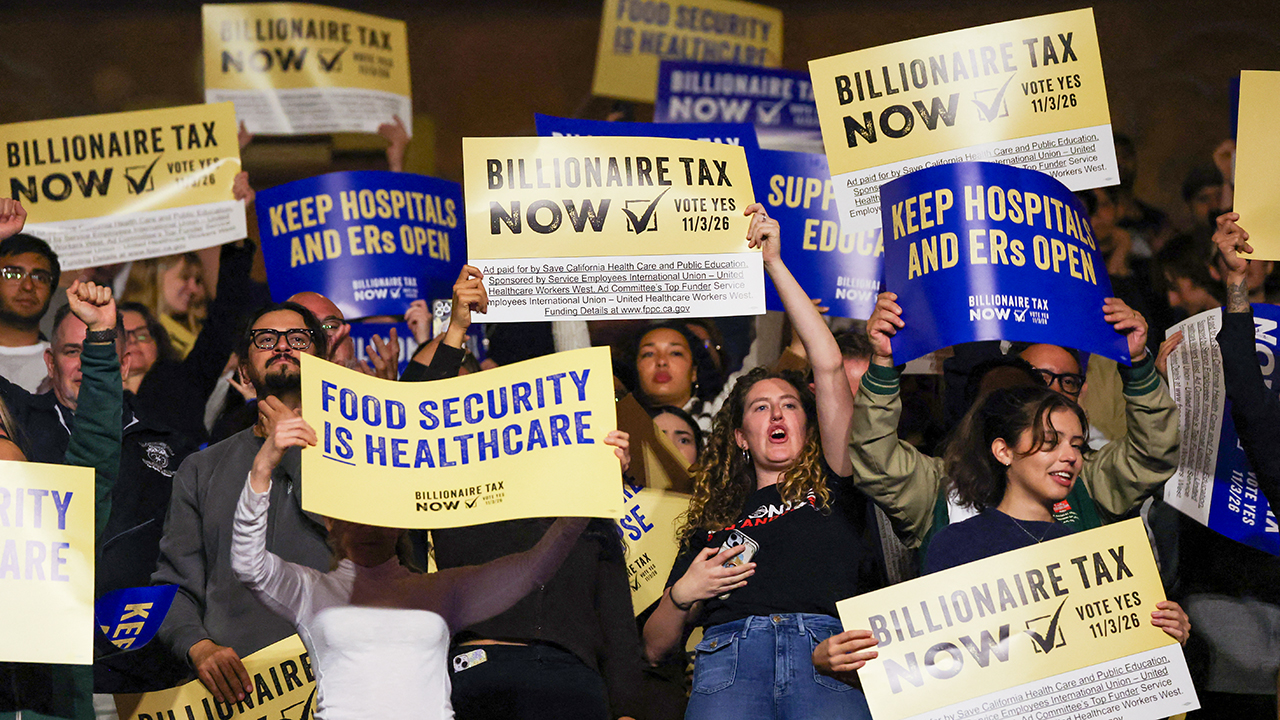
California voters are deciding whether to approve Proposition 40, a one-time 5% wealth tax on people and trusts holding more than $1 billion in assets, with the money earmarked for healthcare, public education and food assistance. The central dispute is whether it raises the roughly $100 billion supporters project or instead costs the state more than it collects, because some billionaires have already left California.
What happened
The measure would apply to assets including businesses, securities, art, collectibles and intellectual property. Real property, pensions and certain retirement accounts are exempt, and the tax would be paid over five years. As drafted, it would reach back to anyone who was a California resident on January 1, 2026.
Several prominent billionaires have moved out of the state or relocated businesses as the tax advanced, according to the source report. They include Google co-founders Larry Page and Sergey Brin, Oracle founder Larry Ellison and PayPal co-founder Peter Thiel.
The revenue estimates diverge sharply. Supporters point to roughly $2.3 trillion in wealth held by California billionaires in mid-2026 and project about $100 billion in collections. A working paper by UC Berkeley economists Gabriel Zucman and Emmanuel Saez with the Paris School of Economics’s Jasper Boll estimated that figure while finding little damage to income tax revenue, since billionaires pay about $3 billion a year, or 2.5% of the state’s income tax base.
A separate working paper by Hoover Institution economists Joshua Rauh and Benjamin Jaros reached the opposite conclusion. It found that announced departures have already cut the tax base by about 30%, putting collections at $28 billion to $36 billion after assuming 10% avoidance. Counting the income tax the state would stop collecting from billionaires — estimated at $3.3 billion to $5.8 billion a year — they calculated a net present value of negative $38.9 billion, negative in about 85% of simulated outcomes.
Why it matters
The outcome shapes more than one budget line. If the Hoover estimates are right, this suggests California could trade a short burst of revenue for a permanently smaller pool of high-income taxpayers. If the Berkeley estimates hold, the state captures a large sum from people whose wealth comes mostly from investments rather than wages.
The Hoover paper also raises a structural point: although the tax is presented as one-time, the legislature could amend it with a two-thirds vote without returning to voters. That would give policymakers room to impose further wealth taxes later, which likely matters to anyone weighing whether to stay in the state.
Key facts at a glance
| Item | Detail |
|---|---|
| Measure | Proposition 40, a one-time 5% wealth tax |
| Who pays | Taxpayers and trusts with assets above $1 billion |
| Covered assets | Businesses, securities, art, collectibles, intellectual property |
| Exempt | Real property, pensions, certain retirement accounts |
| Payment period | Five years |
| Retroactive date | Residency as of January 1, 2026 |
| Revenue, supporters | About $100 billion |
| Revenue, Hoover estimate | $28 billion to $36 billion |
| Hoover net present value | Negative $38.9 billion |
What this means for you
- If you are not a billionaire or a trust at that scale, the tax itself would not apply to you. The effect you would feel runs through the state budget: either more money for healthcare, schools and food aid, or less if collections fall short.
- Residency timing matters. The retroactive date means anyone who was a California resident on January 1, 2026 could be caught even after moving, so departure alone may not settle the question.
- Treat both revenue figures as estimates from competing working papers, not settled numbers. Neither has been confirmed by actual collections.
- Watch the legislature. The two-thirds amendment path means the one-time label may not hold.
Frequently asked questions
What is Proposition 40?
It is a California ballot measure imposing a one-time 5% tax on taxpayers and trusts with assets over $1 billion, payable across five years, with proceeds directed to healthcare, education and food assistance.
How much would the billionaire tax raise?
Supporters project about $100 billion. Hoover Institution economists estimate $28 billion to $36 billion after accounting for departures and avoidance.
Which billionaires left California over the tax?
The source report names Larry Page, Sergey Brin, Larry Ellison and Peter Thiel as having moved out or relocated businesses.
Is the tax really one-time?
As written, yes. The Hoover economists note the legislature could amend it with a two-thirds vote without voter approval.
What to watch next
The vote count will settle the measure’s fate, but the revenue question stays open until collections are known. Also unresolved: how many more wealthy residents leave before the tax takes effect, and whether lawmakers use the amendment route to extend it.
- Proposition 40 would levy a one-time 5% tax on California taxpayers and trusts with assets over $1 billion, paid over five years.
- Supporters project about $100 billion; Hoover Institution economists estimate $28 billion to $36 billion and a negative $38.9 billion net present value.
- Larry Page, Sergey Brin, Larry Ellison and Peter Thiel are named as billionaires who moved out or relocated businesses.