Muslim Reformers Rebuke Wajahat Ali’s ‘Fire Will Rise’ Warning
Commentator Wajahat Ali said losing Abdul El-Sayed's Michigan Senate bid would radicalize voters. Muslim reform advocates call that election intimidation.
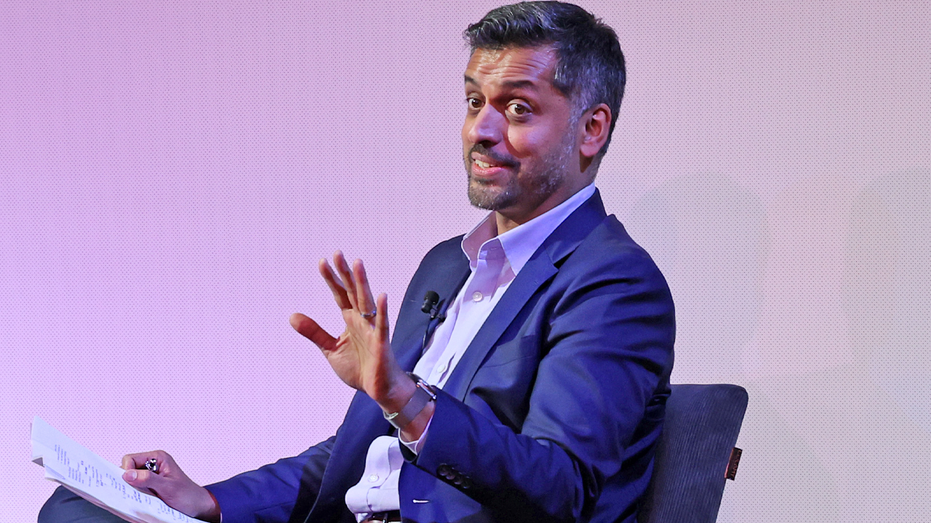
Muslim reform advocates are pushing back on political commentator Wajahat Ali after he warned that “the fire will rise” and voters would be “radicalized” if Democrat Abdul El-Sayed loses his Michigan Senate race. The critics say the language amounts to pressuring voters with the threat of unrest, a tactic they associate with elections in the Middle East rather than American politics.
What happened
Ali posted the warning on X on Monday. In it, he called the contest a potential turning point for the Democratic Party and said a defeat for El-Sayed would produce a “reckoning” and radicalize people against corporate Democrats and those he described as pro-Israel. He added that a win would also bring a reckoning.
After criticism, Ali posted again Tuesday morning without apologizing. He accused his detractors of open anti-Arab bigotry and Islamophobia and urged them to state their views plainly. Fox News Digital reported that Ali did not respond to a request for comment.
Three reform-minded Muslim figures spoke to Fox News Digital about the posts. Dalia Ziada, an Egyptian critic of political Islam who directs the Washington office of the Institute for the Study of Global Antisemitism and Policy, said the wording matches what Islamists have used before elections in the Middle East, including Egypt. She described the usual message as: reject us and you get radicalization and violence.
Soraya Deen, an attorney and co-founder of the Los Angeles Women’s Multifaith Alliance, said the remarks deserve scrutiny rather than being waved off as a social-media outburst. She argued that an election result is not grounds for radicalization and called for rejection of intimidation and what she termed perpetual grievance politics.
Dr. Zuhdi Jasser, founder of the American Islamic Forum for Democracy and a Republican congressional candidate in Arizona’s 4th District, framed the comments as part of a “Jihad First” outlook he attributes to both Ali and El-Sayed. The reformers did not accuse Ali of belonging to any Islamist organization; their objection centered on the language itself.
Why it matters
The dispute exposes a split inside American Muslim politics. On one side are establishment groups and figures who accept Islamism, broadly the view that religion should shape government and public life. On the other are reformers who favor secularism, including separation of mosque and state, and who reject anti-Israel and anti-Western rhetoric.
El-Sayed’s campaign draws on a broad coalition. A Fox News Digital review counted 70 Muslim groups and influencers connected to his orbit through endorsements, campaign listings, voter mobilization or public amplification, though not all have the same relationship with the campaign. Named supporters include CAIR Action, Americans for Justice in Palestine Action, Emgage Action, the US Campaign for Palestinian Rights, MPower Action and “Muslims for Abdul.” The wider network also includes Democratic organizations, DSA chapters and figures such as Hasan Piker, Linda Sarsour, Rep. Ilhan Omar and Rep. Rashida Tlaib.
Critics of that coalition have labeled it a “red-green” alliance of left-wing and Muslim advocacy groups. This suggests the argument over Ali’s posts is really a proxy fight over who speaks for Muslim voters and what language is acceptable in a competitive Democratic primary.
Key facts at a glance
| Item | Detail |
|---|---|
| Candidate | Abdul El-Sayed, Democrat, Michigan Senate bid |
| Commentator | Wajahat Ali, posted on X Monday |
| Key phrases | “The fire will rise”; “radicalized”; “reckoning” |
| Follow-up | Tuesday post, no apology, accused critics of bigotry |
| Critics quoted | Dalia Ziada, Soraya Deen, Dr. Zuhdi Jasser |
| Coalition size cited | 70 Muslim groups and influencers in El-Sayed’s orbit |
What this means for you
- If you follow Michigan politics, expect the El-Sayed coalition’s composition and rhetoric to stay under scrutiny through the primary.
- Treat claims that an election loss will cause violence as a rhetorical move, not a forecast; no evidence in the source supports the prediction.
- Muslim voters are not a single bloc. The reformers quoted here disagree sharply with the groups backing El-Sayed.
Frequently asked questions
What did Wajahat Ali actually say?
He wrote that if El-Sayed loses, “the fire will rise,” people will be radicalized against corporate and pro-Israel Democrats, and there will be a reckoning. He said a win would also bring a reckoning.
Who is Abdul El-Sayed?
A Democratic candidate for U.S. Senate in Michigan whose campaign is backed by a wide network of Muslim, Palestinian, progressive and labor groups, according to Fox News Digital’s review.
Did Ali apologize?
No. His follow-up post expressed no regret and instead criticized his detractors for what he called open Islamophobia and anti-Arab bigotry.
What to watch next
Whether El-Sayed or his campaign responds to the exchange, and whether the endorsements and rhetoric around his coalition become a larger issue in the primary. Ali has not commented beyond his Tuesday post.
- Ali warned of radicalization and a 'reckoning' if El-Sayed loses.
- Muslim reformers compared the language to Middle East election intimidation.
- El-Sayed's coalition includes 70 Muslim groups and influencers, per Fox News Digital.