Midterms 2026: Voters Cast Ballots as Cost of Living Dominates
Americans are voting in the midterm elections with inflation at 3.7% and six in ten voters calling the cost of living their top economic concern, according to a Fox News survey.
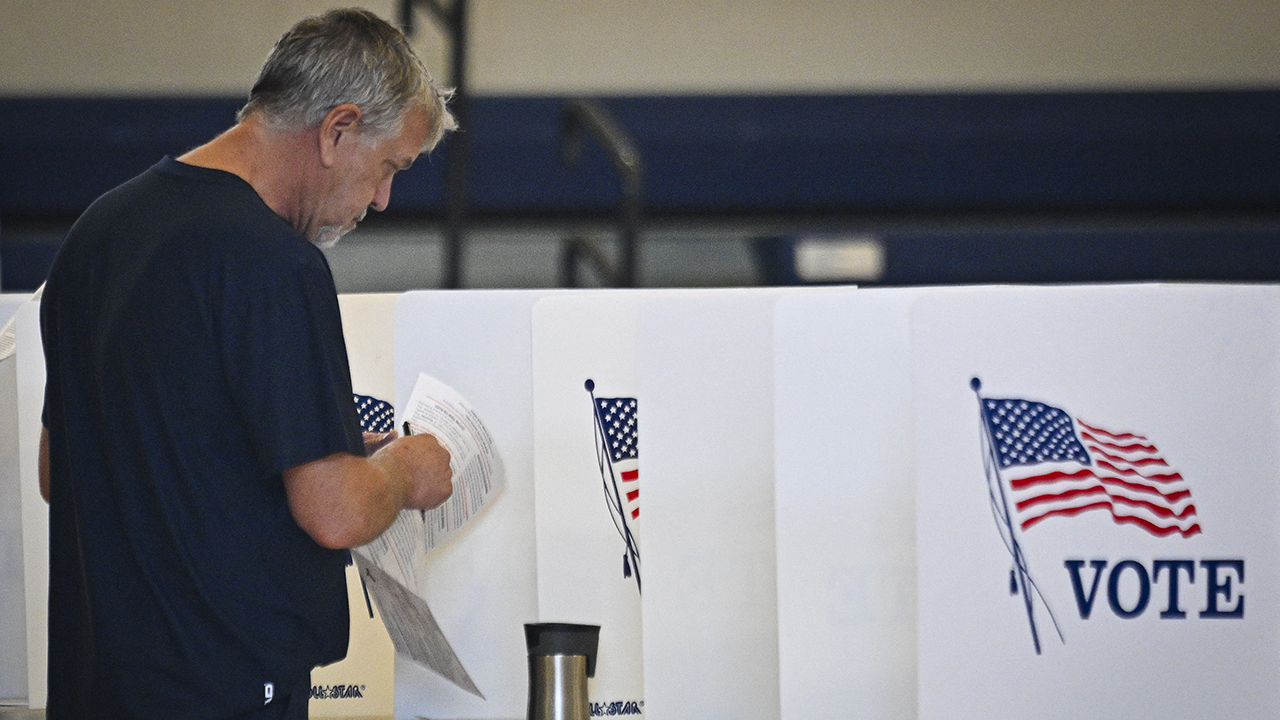
Americans are casting ballots in the midterm elections on Tuesday, and the cost of living has become the central economic issue for voters, according to a Fox News survey. The survey, conducted Oct. 9-12, found that six in ten voters named the cost of living as their top economic concern, while 74% gave the economy a negative rating and 53% expected it to worsen next year.
What happened
The most recent consumer price index showed inflation running at 3.7% year-over-year in September, well above the Federal Reserve’s 2% target. Gasoline prices drove much of that increase, jumping 9.1% on a monthly basis and sitting 34.2% higher than a year earlier.
Ben Lieberman, a senior fellow at the Competitive Enterprise Institute, told Fox Business that gasoline prices carry outsized weight in how people judge affordability because it is the one expense consumers track down to the tenth of a penny. He said that without the Iran war, gasoline prices would be lower and perceptions would likely be better.
Olivia Mitchell, an economics and public policy professor at the Wharton School, told Fox Business that affordability is one of the key topics of the midterms and creates a political challenge for Republicans who campaigned on bringing down prices. She noted that inflation had been on a downward trend from the post-pandemic peak of 9.1% in June 2022, reaching as low as 2.3% in 2025 and 2.4% in January 2026, but has since risen to 3.7%. She also pointed to high mortgage rates, auto loans, credit card balances and other consumer debt, and said tariffs are making much of what Americans consume more expensive.
Why it matters
The gap between official inflation figures and how voters feel is a central dynamic of this election. Even though inflation has eased from its 2022 peak, prices have not returned to pre-surge levels. Lieberman described this as a new plateau, meaning the perception of high grocery prices persists even if the overall rate is lower. This suggests that voters are weighing accumulated price levels, not just the current rate of change.
Mitchell said the affordability debate will force policymakers to move beyond broad claims about economic growth and demonstrate more convincingly how their policies will improve household financial security. The election results will likely be read as a signal of how much voters blame incumbents for persistent cost pressures.
Key facts at a glance
| Fact | Detail |
|---|---|
| Survey dates | Oct. 9-12, Fox News survey |
| Top economic concern | Cost of living, cited by six in ten voters |
| Economy rating | 74% negative; 53% expect it to worsen next year |
| Family finances | 18% say their family is better off than two years ago |
| Inflation (CPI, September) | 3.7% year-over-year |
| Gasoline prices | Up 9.1% monthly; 34.2% higher than a year ago |
| Post-pandemic inflation peak | 9.1% in June 2022 |
| Recent inflation low | 2.3% in 2025; 2.4% in January 2026 |
What this means for you
- If you are voting today, the economy and affordability are likely to be central to your decision, as they are for most voters in the survey.
- Expect political messaging to focus on prices rather than broad economic growth, as both experts suggest the debate is shifting toward household financial security.
- Households facing high mortgage rates, auto loans and credit card debt may continue to feel pressure even if inflation slows, according to Mitchell.
- Prices are unlikely to return to pre-2022 levels, so budgeting for a new plateau may be more realistic than waiting for a reversal.
Frequently asked questions
What is the cost of living concern in the midterms?
It refers to voters’ worries about everyday expenses such as groceries and gasoline. Six in ten voters in the Fox News survey named it as their top economic concern.
What is the current inflation rate?
The consumer price index showed inflation at 3.7% year-over-year in September, up from 2.4% in January 2026 and above the Federal Reserve’s 2% target.
Why are gasoline prices so important to voters?
Lieberman said gasoline is the one expense consumers track down to the tenth of a penny, giving it an outsized influence on how people feel about the economy.
Will prices go back to pre-pandemic levels?
Lieberman said prices do not go back to where they were after high inflation; instead, they settle at a new plateau.
What to watch next
Election results will show whether affordability concerns translate into votes. The next CPI reading and gasoline price trends will indicate whether inflation continues to rise or eases. Policymakers’ responses to the affordability debate, including any proposals on tariffs or household costs, will also be in focus.
- Six in ten voters say cost of living is their top economic concern, per a Fox News survey.
- Inflation is at 3.7% year-over-year, driven partly by gasoline prices up 34.2% from a year ago.
- Experts say prices are unlikely to return to pre-2022 levels, creating a new plateau for household budgets.