DOJ Asks Supreme Court to Segregate 20,000 California Ballots
The Justice Department wants the Supreme Court to let it set aside more than 20,000 California mail-in ballots while it checks whether the voters were U.S. citizens. A lower court refused; the case is still moving.
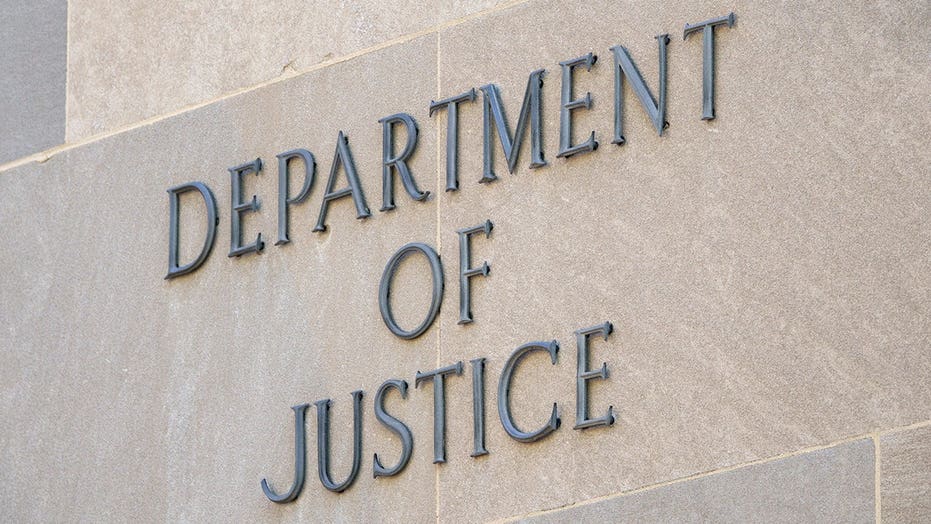
The Justice Department has asked the Supreme Court to step in and let it set aside more than 20,000 mail-in ballots from California while it investigates whether the people who cast them are U.S. citizens. A federal appeals court has already turned down that request, so the high court is now the DOJ’s next option. No ballots have been canceled, and the underlying dispute is still being litigated.
What happened
According to Fox News, the DOJ filed an emergency-style request asking the Supreme Court to temporarily pause lower-court rulings that denied its bid to segregate the ballots. The department says the limited injunction it wants would keep the ballots intact while eligibility is checked, not throw any votes out.
The 9th U.S. Circuit Court of Appeals rejected the request. Judge Patrick Bumatay dissented from that decision. The case itself remains under review, and the DOJ is seeking relief while the dispute continues.
California and the federal government disagree on a central point: whether these ballots are unlawful at all. The DOJ says the voters are likely not U.S. citizens; the state contests the claim. Fox News describes this as a breaking news report and says updates will follow.
Why it matters
The request is narrow on its face — preserve ballots, don’t cancel them — but the stakes are structural. If the Supreme Court grants the stay, election officials would have to identify and hold back a specific set of mail-in ballots while a citizenship question is investigated. If it refuses, the ballots stay in the normal count while the case proceeds.
This suggests the fight is less about the 20,000 ballots themselves than about who gets to decide, and when, whether a ballot is eligible. A ruling either way could shape how federal challenges to state election procedures are handled in future cycles.
Key facts at a glance
| Item | Detail |
|---|---|
| Who is asking | U.S. Department of Justice |
| What it wants | A temporary Supreme Court order to segregate ballots while eligibility is investigated |
| How many ballots | More than 20,000 California mail-in ballots |
| DOJ’s claim | Voters are likely not U.S. citizens |
| State’s position | Disputes that the ballots are unlawful |
| Lower court | 9th U.S. Circuit Court of Appeals denied the request |
| Dissent | Judge Patrick Bumatay |
| Status | Case under review; DOJ seeking relief while it proceeds |
What this means for you
- If you voted by mail in California: nothing in this report says any ballot has been canceled. The DOJ is asking to set ballots aside, not void them.
- Watch the Supreme Court’s docket, not the headlines. The practical effect depends on whether the Court grants the stay — a decision that could come quickly or not at all.
- Expect the citizenship claim to be tested. The DOJ says the voters are likely non-citizens; California disputes it. That factual fight is unresolved.
- No action is required from voters based on this report. There is no indication of a step individuals need to take.
Frequently asked questions
Will these 20,000 ballots be thrown out?
Not according to this report. The DOJ is asking for the ballots to be segregated and preserved while eligibility is investigated, and it says the request would not cancel votes. The case is still under review.
What does “segregate” mean here?
It means setting the ballots apart from the general count so they can be examined separately, rather than counting or discarding them immediately.
Who is Judge Patrick Bumatay?
He is the judge on the 9th U.S. Circuit Court of Appeals who dissented from the court’s rejection of the DOJ request, according to Fox News.
Has the Supreme Court responded?
The report does not say. It describes the filing as breaking news and says updates will follow.
What to watch next
Whether the Supreme Court grants or denies the stay; how California responds to the DOJ’s citizenship claim; and how the 9th Circuit’s full review of the case proceeds. The report does not give a timeline for any of these steps.
- The DOJ asked the Supreme Court to temporarily block lower-court rulings and let it segregate more than 20,000 California mail-in ballots while eligibility is investigated.
- The 9th U.S. Circuit Court of Appeals denied the request; Judge Patrick Bumatay dissented.
- California and the federal government dispute whether the ballots are unlawful; the case remains under review and no votes have been canceled.