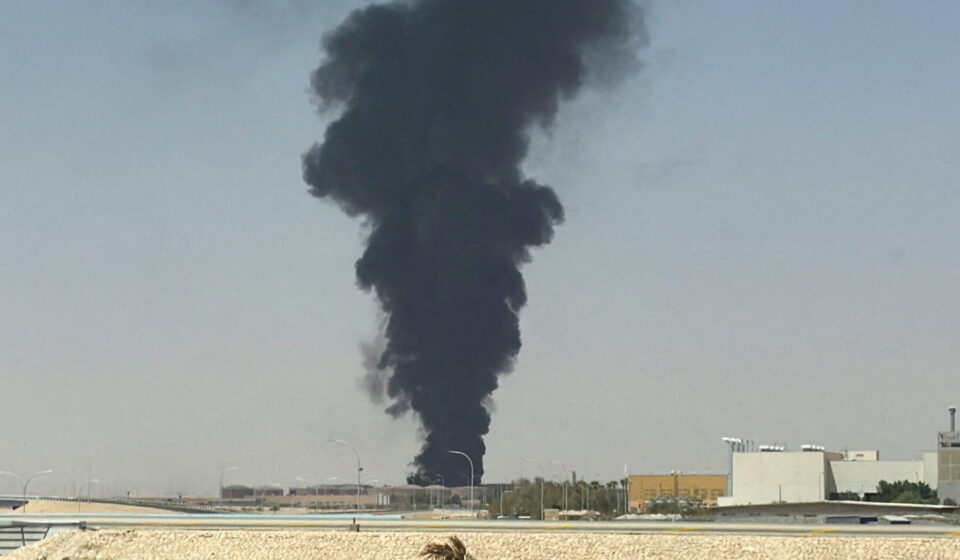

The Houthis, an Iranian-backed militia, have claimed responsibility for a wave of missile and drone strikes targeting Riyadh and Saudi oil facilities. This operation represents a significant escalation, as it directly strikes the Saudi capital and critical energy infrastructure. The attack underscores the Houthis’ growing capacity to project force beyond Yemen’s borders and raises urgent questions about the vulnerability of key economic assets in the region.
Why This Attack Matters Beyond the Headlines
While cross-border attacks from Yemen into Saudi Arabia are not new, the targeting of Riyadh alongside oil facilities signals a strategic shift. The Saudi capital is a heavily defended symbol of state power, and oil facilities are the backbone of the kingdom’s economy. By striking both, the Houthis are demonstrating an ability to threaten high-value targets simultaneously, complicating Saudi defense strategies and potentially disrupting global energy markets.
The Strategic Logic Behind the Escalation
The Houthis likely aim to achieve multiple objectives: asserting military relevance, pressuring Saudi Arabia to reconsider its involvement in Yemen, and signaling to their Iranian backers that they remain a potent proxy force. The attack also serves as a reminder that the conflict in Yemen is not contained but has direct implications for regional stability and international security.
Implications for Regional Security and Energy Markets
Saudi Arabia has invested heavily in air defense systems, yet the Houthis’ continued ability to launch complex attacks suggests gaps in those defenses. For global energy markets, any successful strike on oil facilities could cause price volatility and supply concerns. Even unsuccessful attacks raise insurance and security costs for shipping and infrastructure, adding to the overall risk premium.
What This Means for the Broader Middle East
The attack is a reminder that the Yemen conflict is deeply intertwined with the larger Iran-Saudi rivalry. It also highlights the limitations of military solutions alone. As the Houthis refine their tactics, the risk of miscalculation or unintended escalation grows, potentially drawing in other regional and global powers.
Actionable Takeaways for Observers and Stakeholders
- Monitor energy market reactions: Even if oil facilities are not severely damaged, the threat itself can influence prices and investor confidence.
- Assess defense gaps: The attack suggests that air defense systems may not be fully effective against swarms of drones and missiles, prompting a need for renewed focus on integrated air and missile defense.
- Diplomatic avenues remain critical: Without a political settlement in Yemen, such attacks are likely to continue, underscoring the need for renewed diplomatic efforts.
- Watch for retaliation: Saudi Arabia may respond with airstrikes in Yemen, which could further escalate the cycle of violence.
The Road Ahead
This attack is not an isolated incident but part of a pattern of escalating capabilities and willingness to strike deep into Saudi territory. As the Houthis demonstrate their reach, the international community must consider how to address the underlying conflict in Yemen to prevent further destabilization. The coming weeks will reveal whether this marks a turning point or another chapter in a protracted proxy war.