Kudlow: Democrats Would Reverse Medicaid Cuts, Trump Would Veto
Larry Kudlow argues that if Democrats win Congress, their push to undo Medicaid and food-stamp work requirements will meet President Trump's veto.
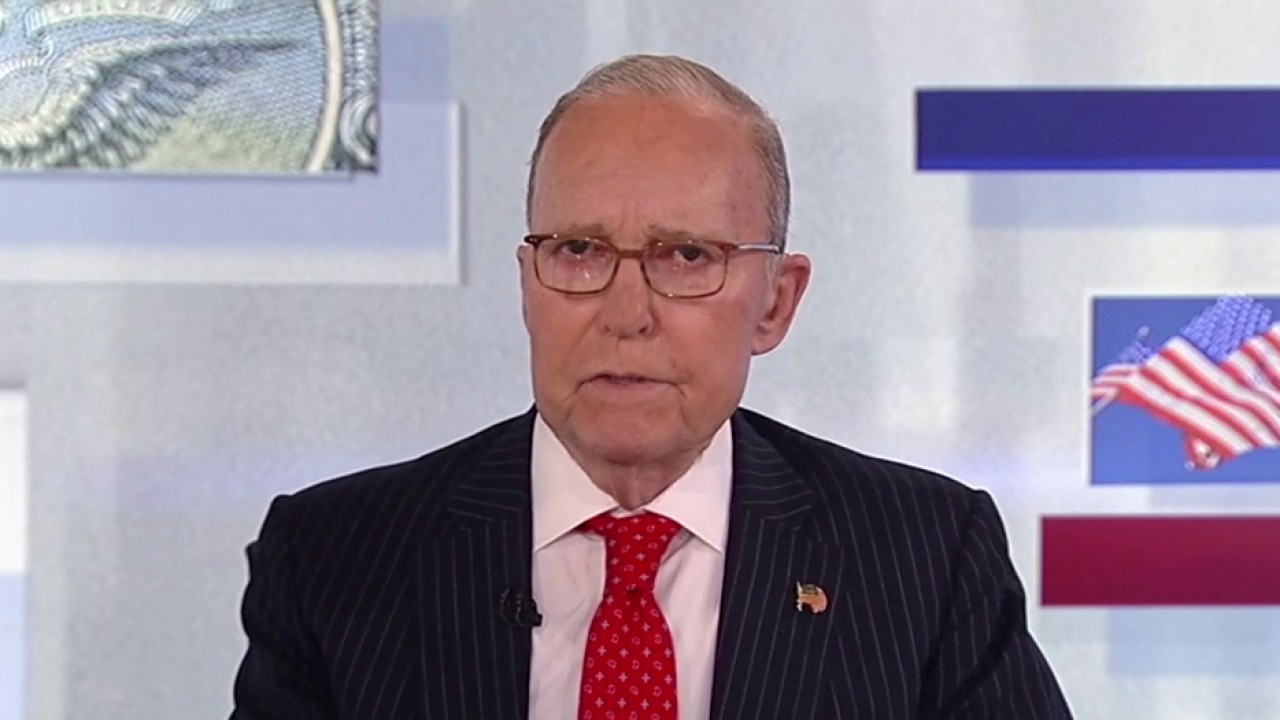
Conservative commentator Larry Kudlow says Democrats are promising to roll back the Medicaid and food-stamp changes passed in last year’s “One, Big, Beautiful, Bill,” and that President Trump would veto any such effort if Democrats take Congress. The claim rests on an interview with Rep. Debbie Dingell, who said Democrats would move quickly to “reverse the Medicaid cuts.”
What happened
Writing after Congressional elections whose outcome he said was not yet known, Kudlow cited a Fox News interview in which Dingell said the first priority in the Democrats’ first 100 hours would be reversing Medicaid cuts, arguing that millions have lost health insurance. She also said Democrats would address hunger and pressure on food banks.
Kudlow rejected that framing. He said the legislation, which also included tax cuts, added work requirements for able-bodied people in Medicaid, food stamps and other programs. He argued that more people are working and welfare spending has fallen, and compared the approach to the 1990s welfare-to-work reforms under President Bill Clinton and Speaker Newt Gingrich.
He also criticized Democrats over spending during the Biden administration, linking roughly $7 trillion in spending to inflation that he said reached 9 percent and grew to 21 percent over four years. He described Democratic “affordability” messaging as a cover for more government spending, and said Trump would veto whatever Democrats pass.
Why it matters
The piece is an argument, not a report of new policy. Its significance is what it signals about the fight ahead: if Democrats win control of Congress, expect a clash over work requirements and entitlement spending, with the veto as the likely endpoint. This suggests the debate will be about messaging as much as legislation, since a divided government would make actual repeal unlikely.
Key facts at a glance
| Item | Detail from source |
|---|---|
| Dingell’s pledge | Reverse Medicaid cuts in the first 100 hours |
| Legislation cited | “One, Big, Beautiful, Bill,” passed last year |
| Provisions cited | Tax cuts; work requirements for Medicaid, food stamps and other programs |
| Kudlow’s claim | More people working; welfare spending down |
| Historical comparison | Clinton–Gingrich welfare-to-work reforms of the 1990s |
| Spending claim | About $7 trillion under Biden; inflation 9% rising to 21% over four years |
| Prediction | Trump would veto Democratic bills |
What this means for you
- If you rely on Medicaid or food assistance, the practical impact depends on whether Congress changes the law; a veto threat means current rules likely stay in place for now.
- Work requirements are the central issue, so anyone affected should check whether their state has applied them.
- Treat the inflation and spending figures as Kudlow’s characterization, not independently verified numbers in this text.
Frequently asked questions
What did Debbie Dingell say Democrats would do?
She said reversing Medicaid cuts would be the first action in the first 100 hours, citing millions who lost health insurance and pressure on food banks.
What is the “One, Big, Beautiful, Bill”?
It is the legislation Kudlow says passed last year, containing tax cuts and work requirements for Medicaid, food stamps and other programs.
Would Trump really veto Democratic bills?
Kudlow predicts he would, calling it the only way to “save America.” That is his opinion, not a confirmed action.
What to watch next
Whether Democrats actually win Congress, and whether any repeal of work requirements reaches the president’s desk.
- Dingell pledged to reverse Medicaid cuts in the first 100 hours.
- Kudlow says the law added work requirements and welfare spending fell.
- Kudlow predicts Trump would veto Democratic legislation.